










Description
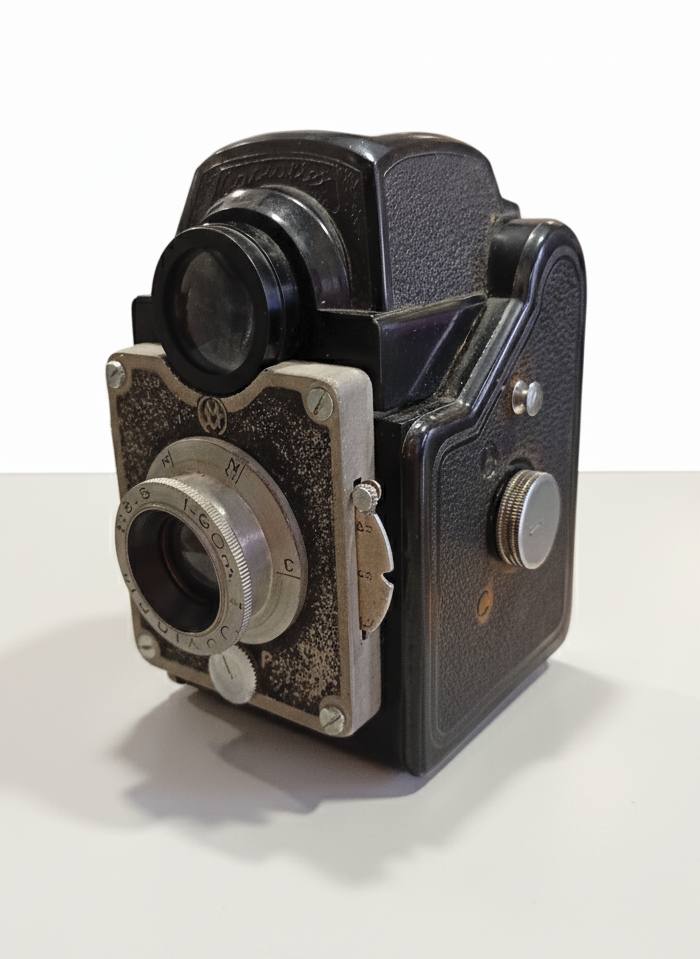
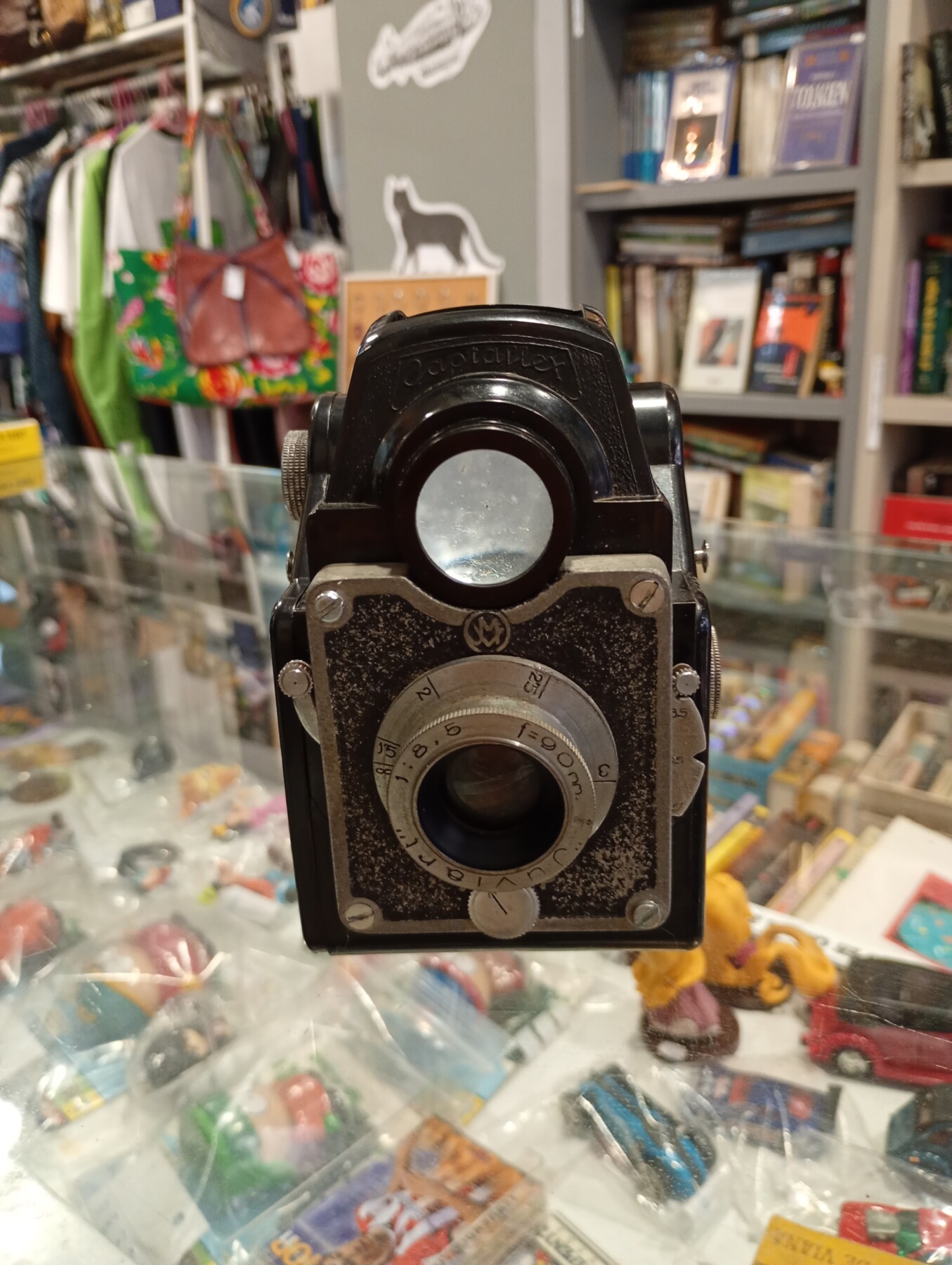
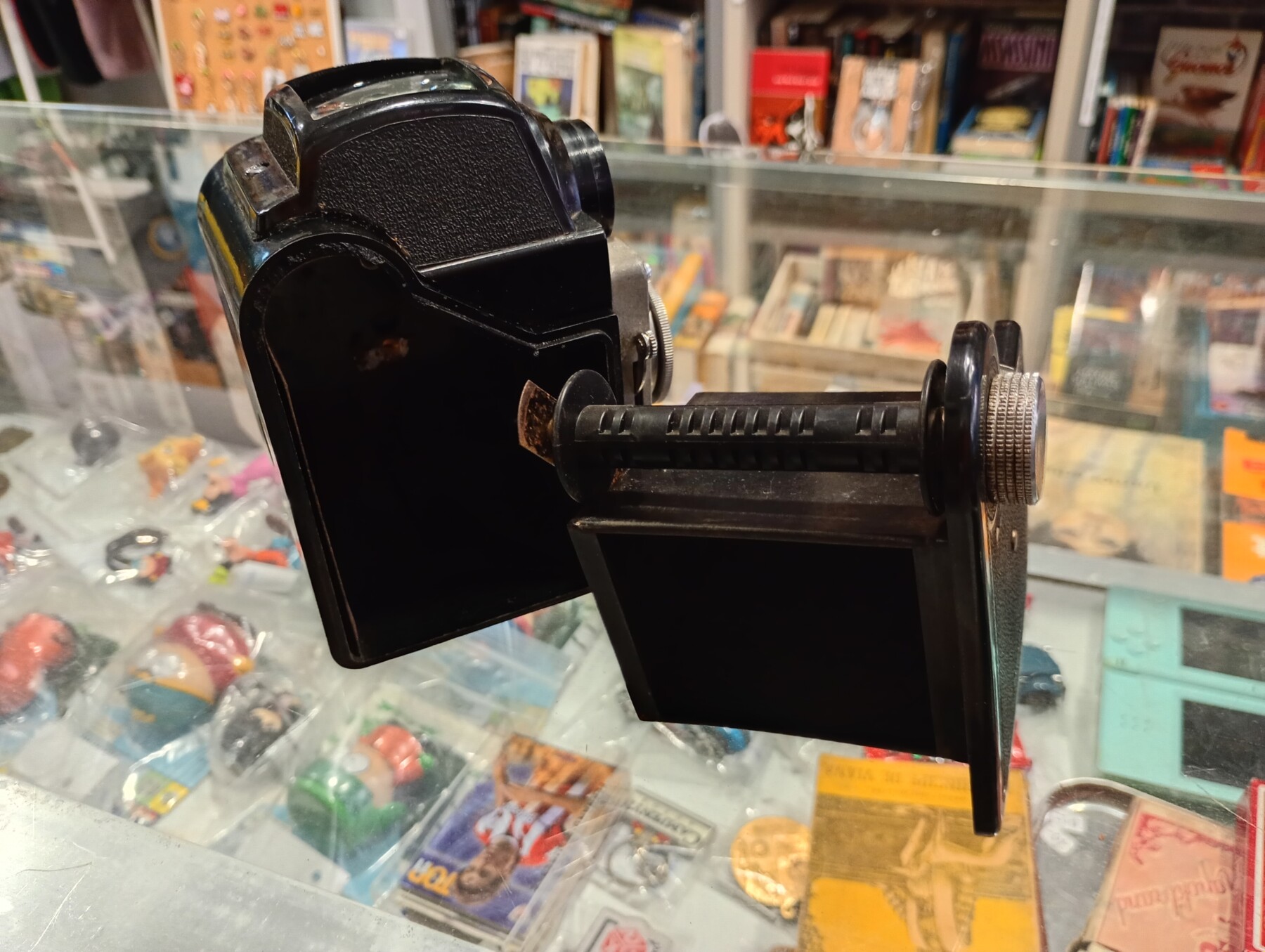
Enter the fascinating world of analog photography with the Captaflex, a genuine TLR (Twin-Lens Reflex) camera dating back to around the 1950s. Although its manufacturer is less well-known than the giants of the day, the Captaflex represents the ferment of the post-war Japanese photography industry, where many emerging companies were creating robust and functional cameras for the market.
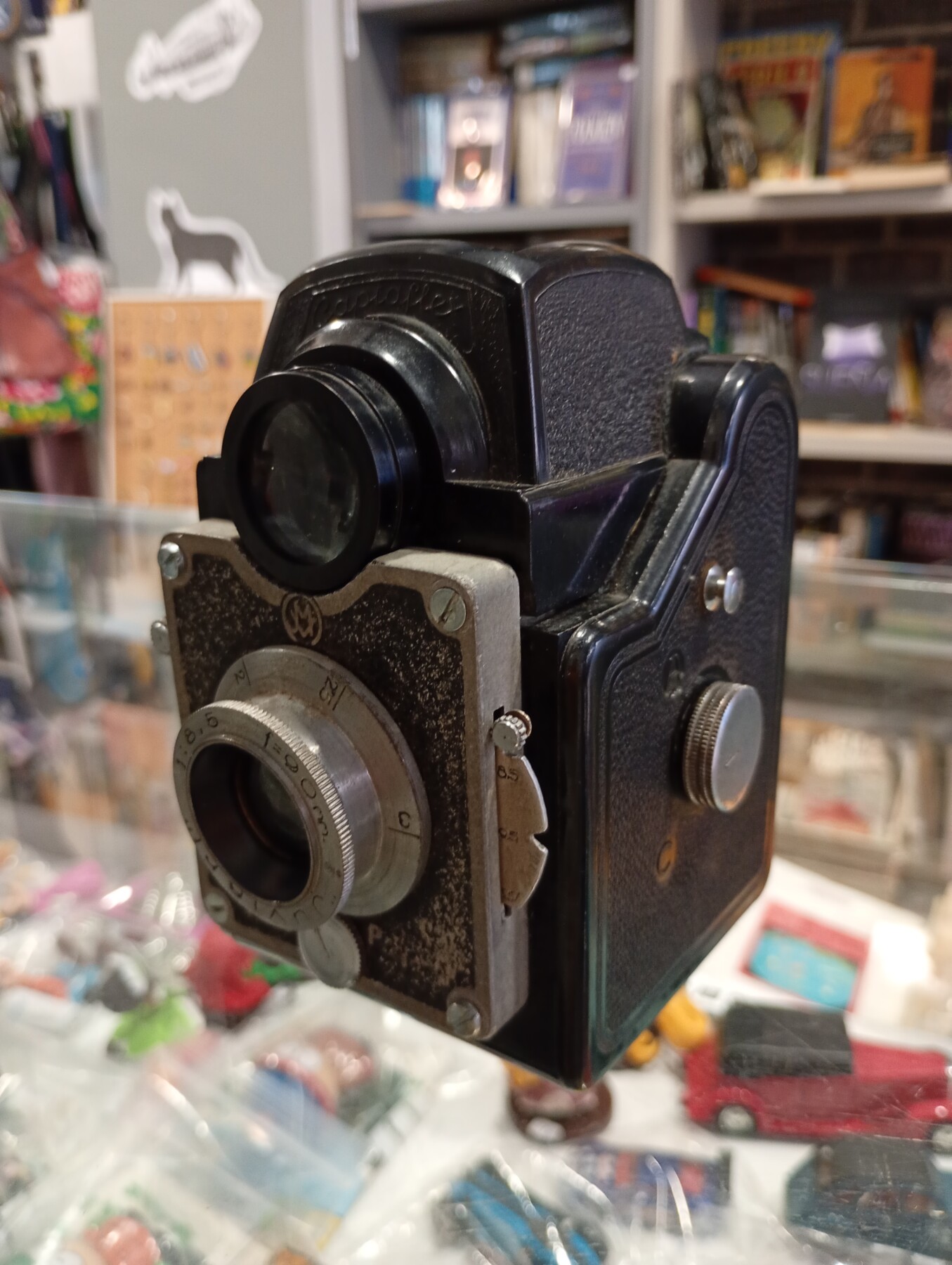
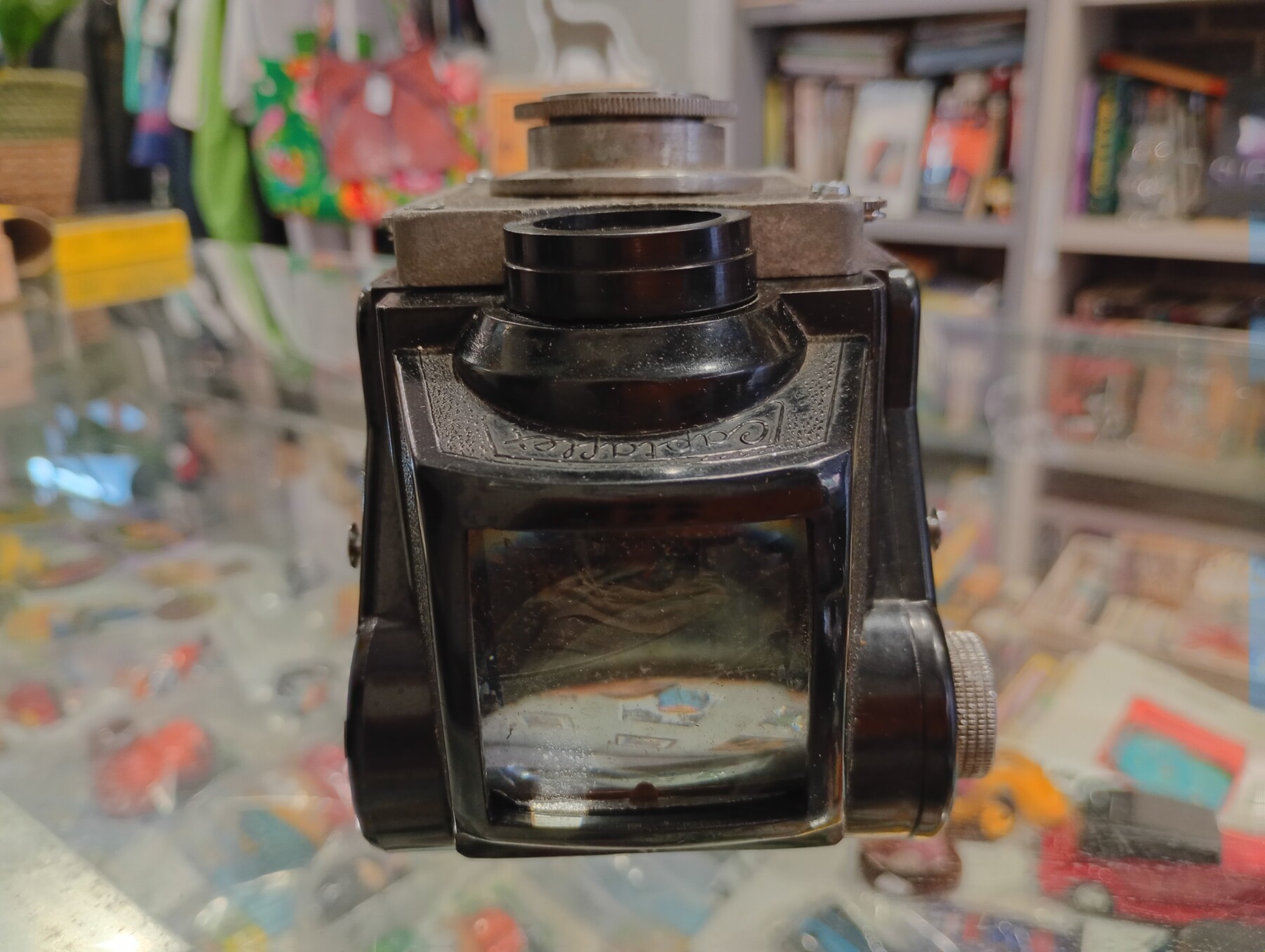
This Captaflex stands out for its classic metal construction and faux leather finish, a distinctive design that reflects the aesthetics of its era. Its dual viewfinder system is its most prominent feature: an upper lens for viewing and focusing, and a lower lens that captures the image on film, operating in perfect synchronization.
Main Features (Common to Captaflex TLR models):
- Capture lens: Usually equipped with lenses such as the 80mm Captaflex Anastigmat f/3.5 or similar, offering sharp image quality.
- Shutter speeds: Typically a range that includes B (Bulb) and calibrated speeds such as 1/10, 1/25, 1/50, 1/100, 1/200, among others.
- Opening: Common ranges from f/3.5 to f/22, allowing good control of depth of field.
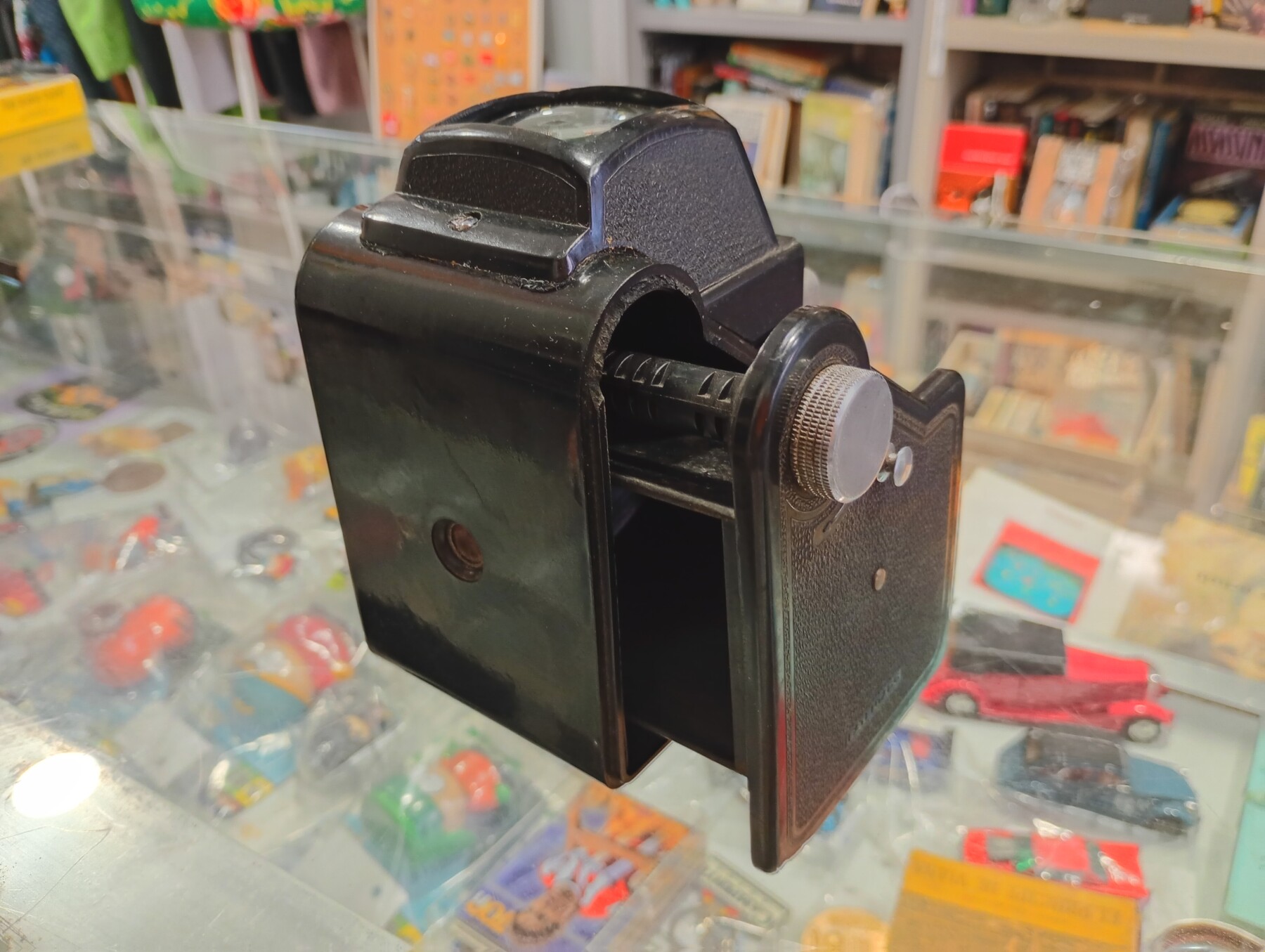
- Movie: Designed to use 120 format film reels, producing the classic 6x6 cm square negatives.
- Viewfinder: Waist-level finder with focusing magnifier for precise composition.
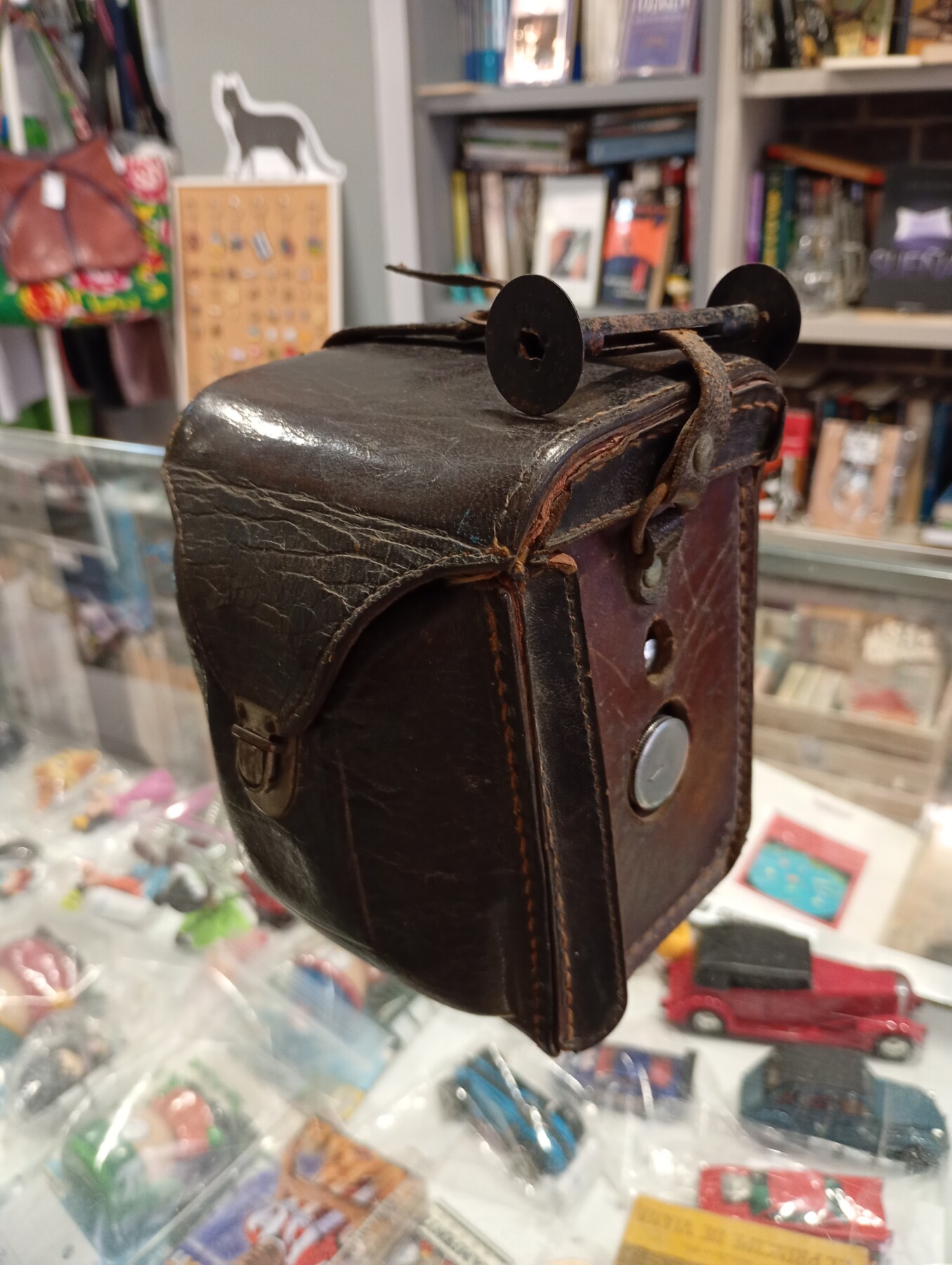
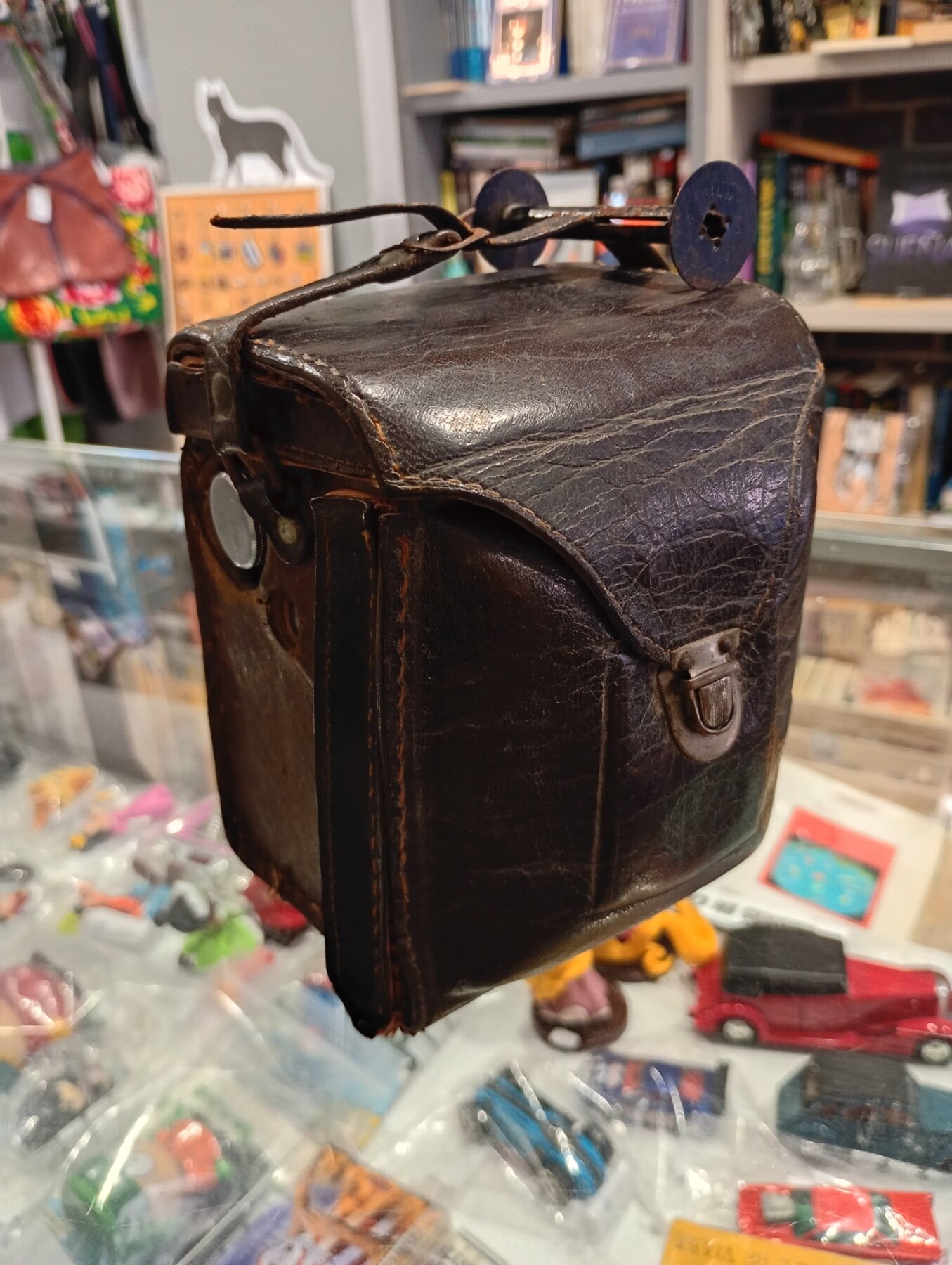
- Accessories: They retain their original leather case (as seen in the picture), which adds historical value and additional charm, proudly displaying the signs of time. No tears, just unstitched.
Curiosities of the Twin-Lens Reflex (TLR) System
El sistema TLR, o «cámara réflex de doble objetivo», fue una tecnología fotográfica muy influyente y popular, especialmente en el formato medio. Su particular configuración ofrecía ventajas y una experiencia de uso única:
- Direct View, Separate Capture: La principal innovación es el uso de dos lentes: la superior para la composición y el enfoque en un cristal esmerilado a la altura de la cintura, y la inferior para la exposición de la película. Esto significaba que el fotógrafo veía la imagen «correctamente» (sin invertir) en el visor, facilitando la composición.
- Sin «Blackout» al Disparar: Unlike SLR cameras, where the mirror flips up during the exposure, causing a brief blackout in the viewfinder, TLR cameras don't suffer from this effect. The image in the viewfinder remains visible at all times, an advantage when photographing moving subjects or for shoots requiring a rapid sequence of images.
- The Parallax Challenge: La separación física entre las lentes de visualización y de captura introduce el «error de paralaje». Esto significa que lo que ves en el visor no es exactamente lo que la lente de captura «ve», especialmente en distancias de enfoque cercanas. Los fotógrafos experimentados aprendían a compensar este pequeño desplazamiento, o utilizaban marcas específicas en el visor para ayudar a corregirlo.
- Estilo de Fotografía «de Cintura»: The viewfinder's design forced the photographer to look down at the camera, creating a distinctive posture. This perspective often resulted in lower, more intimate shooting angles, a hallmark of many TLR photographs.
The Captaflex isn't just a camera; it's a portal to an era of photography where patience, precision, and anticipation were key. Owning it is like owning a tangible piece of photographic history, ready to be displayed, collected, or even recaptured with its analog charm.